

As the sun sets over the Sunshine Coast and the first lanterns begin to glow, Liza Farrer-Smith takes her place at the front of a growing crowd of MS Moonlight Walkers.
Surrounded by family, friends and supporters, she leads a team known as the Sunshine Coast Wobbly Boots. For many people, it looks like a celebration. And it is.
But for Liza, every step, every lantern, and every dollar raised carries a much deeper meaning.
Over the past 11 years, Liza and her teams have raised more than $97,000 for people living with neurological conditions. What started as a small act of gratitude has grown into a powerful movement of community support, hope and connection.
Today, Liza leads her team in an electric wheelchair.
"At first, I walked with a walking stick, then my husband pushed me in a wheelchair and now I use an electric wheelchair. The walk, for me, has evolved but the sentiment, the community and the show of solidarity have always continued.
Together, we shine a light on neuro, both metaphorically by us raising awareness of neurological conditions, and literally through the lanterns we hold during the walk."
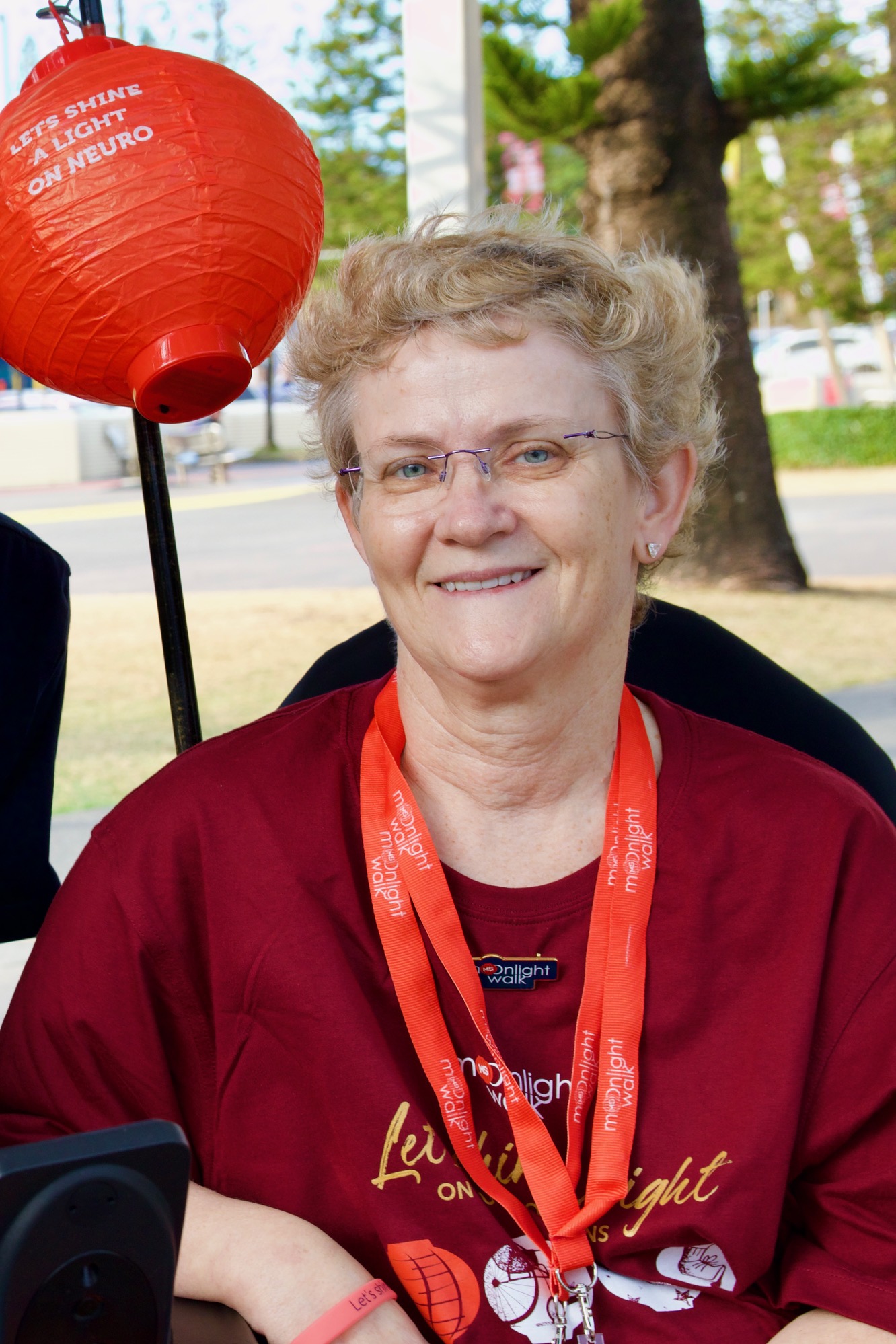
There was a time when MS was the furthest thing from Liza's mind. In her twenties, she was a passionate Interior Design teacher, recently married and building a life she was excited to wake up to each day. Her future felt certain, her career was thriving, and there seemed to be no limit to what she could achieve.
Then, shortly before her 30th birthday, she began waking with pins and needles in her feet. At first, it seemed insignificant. By the end of each day, the sensation had spread to her knees. "I thought a physio could fix me," Liza recalls.
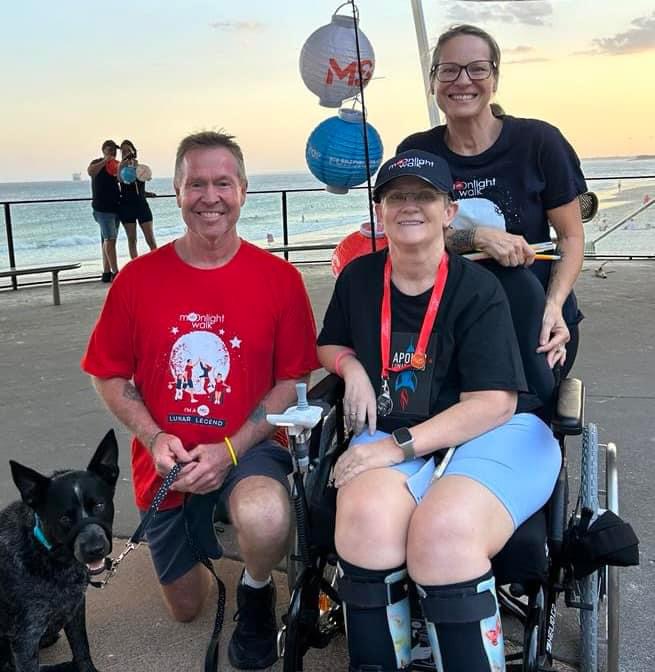
But after just two appointments, the physio told her he didn't believe the problem was muscular and urged her to see a neurologist. What followed was weeks of uncertainty, tests and waiting before she finally received a diagnosis that would change her life forever.
MS.
"I was diagnosed at 30 and we'd only been married a year." Back then, treatment options were limited and conversations around neurological conditions were far less common.
Rather than talking openly about her diagnosis, Liza tried to keep her symptoms hidden. "The workplace was different back then," she says. For years she pushed through exhaustion, determined to continue working despite her deteriorating health.
She moved into online teaching, often working long hours developing courses and supporting students. Behind the scenes, however, MS was taking more and more from her.
"I had absolutely no energy. I was living to work and that's not how it's supposed to be."
Today, five years after beginning to use an electric wheelchair full time, she has become a passionate advocate for people living with neurological conditions. What drives her most is helping others understand that neurological conditions don't always look the way people expect.
"I wish people knew that everyone who lives with a neurological condition is different," she says. "A lot of our symptoms aren't visible."
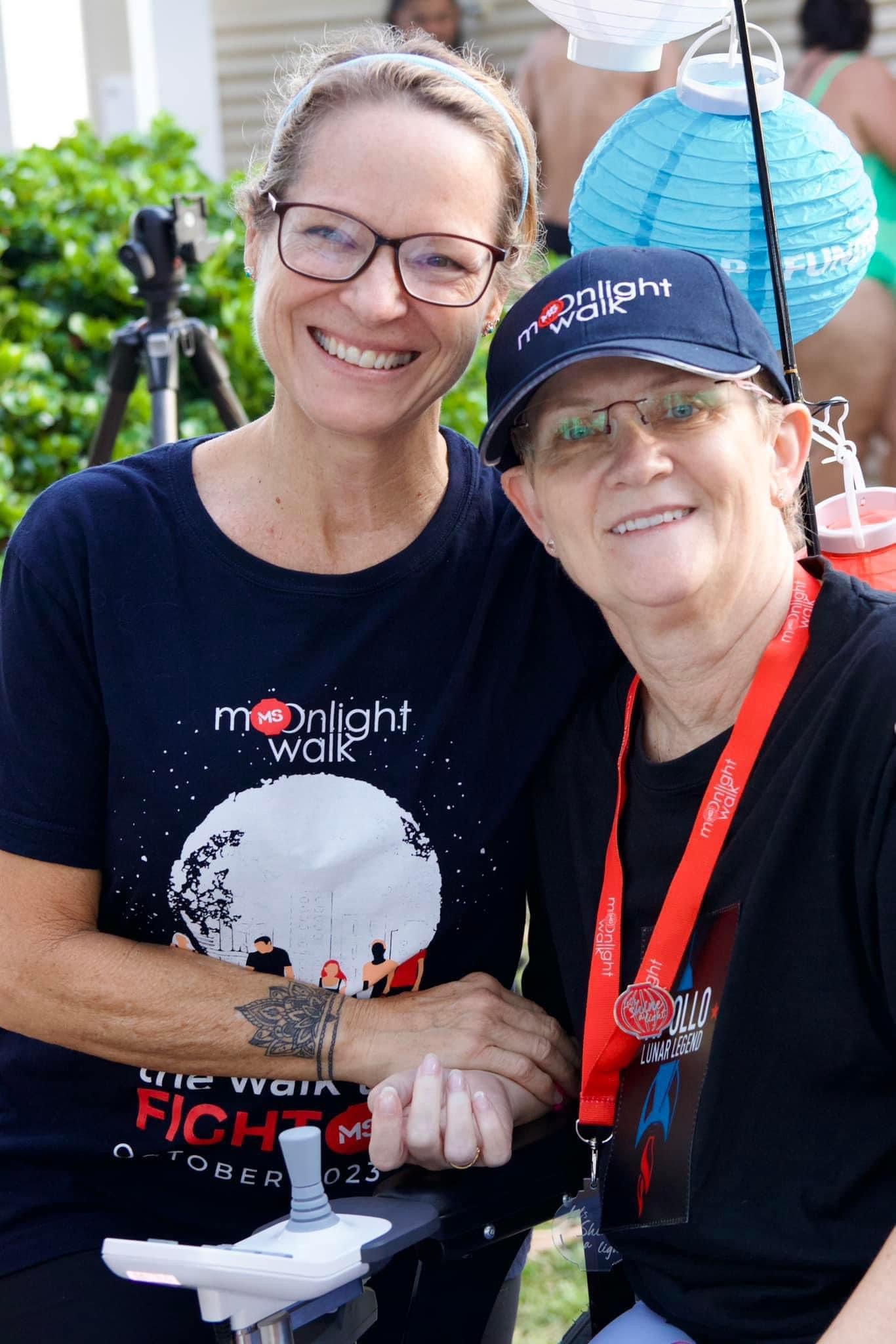
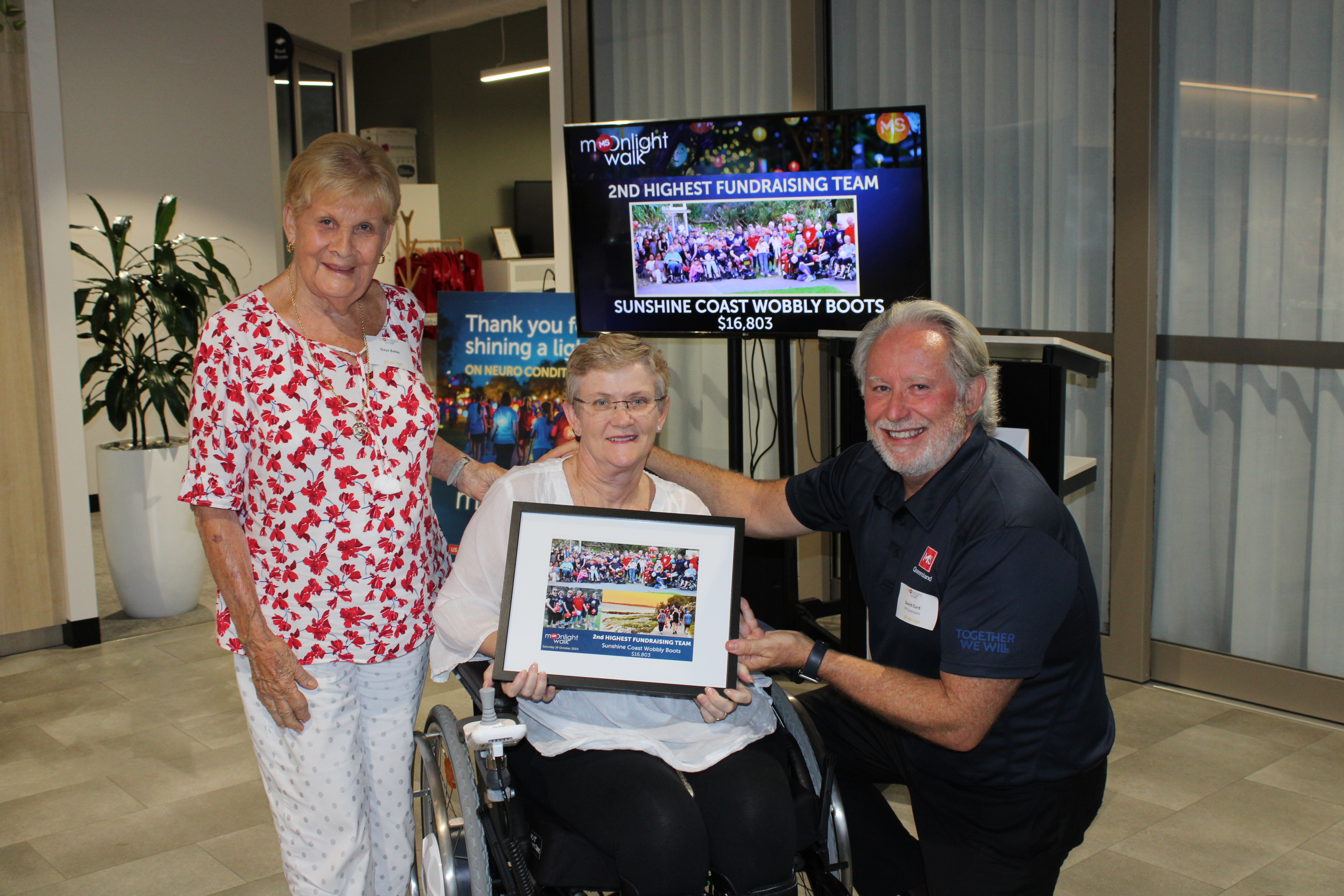
2024 MS Moonlight Walk Thank You Function
Liza has experienced firsthand just how important support can be. When she first became involved with MS Queensland, she accessed group physiotherapy programs that helped her navigate life with MS. Over the years, she has seen countless others benefit from services, information, connection and care.
That's why fundraising remains so important to her. Because behind every dollar raised is a person looking for answers. A family trying to adapt to a diagnosis. Someone searching for connection, support and hope.
As Liza prepares to lead the Sunshine Coast Wobbly Boots once again, she has a simple message for anyone considering joining her.
"Whether you walk in Brisbane or in your own neighbourhood, you're helping shine a light on neurological conditions and supporting people like me."
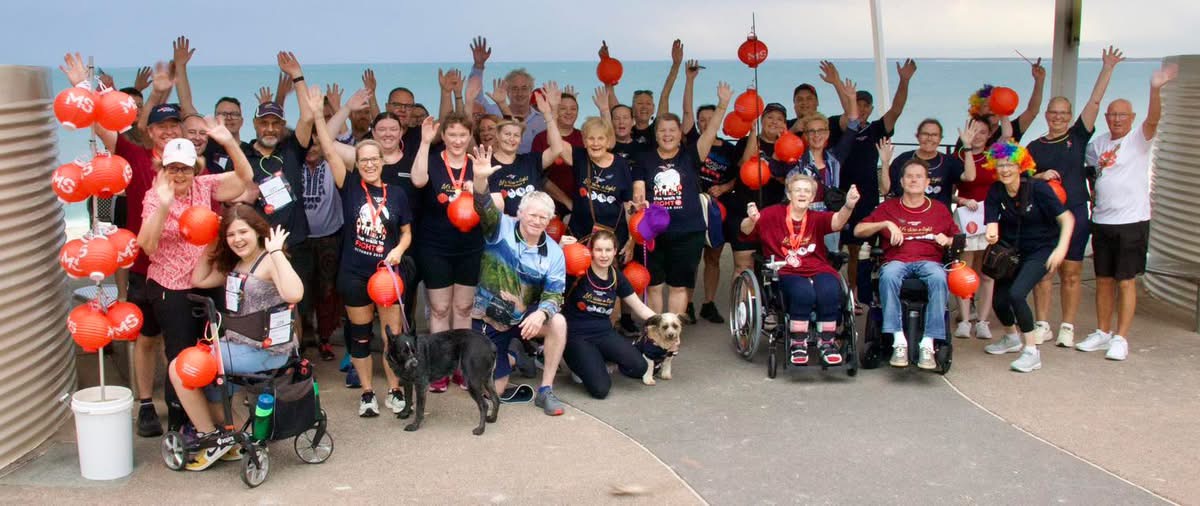
2025 Sunshine Coast Wobbly Boots Team


